Stone Masonry vs. Brick Masonry: Key Differences
People exploring stone masonry vs. brick masonry can find local contractors skilled in choosing and installing the best materials for durable, attractive structures.
If you’re exploring options for masonry work on your property, understanding the differences between stone masonry and brick masonry can be a key step in making informed decisions. Property owners in the area often consider these materials for their durability, appearance, and maintenance needs, whether for retaining walls, facades, or decorative features. Knowing how each material performs and what aesthetic qualities they bring can help determine the best choice for your project. Local contractors experienced in stone masonry services can provide insights into how these materials might suit your property’s style and long-term goals, making the decision process clearer.
As you delve into the specifics of stone versus brick masonry, it’s helpful to recognize the practical advantages each offers. Stone masonry is often prized for its strength and timeless appeal, making it a popular choice for structures that demand longevity. Brick masonry, on the other hand, provides a more uniform look and can be easier to work with for certain designs. Whether considering a new feature or restoring an existing one, understanding these key differences can guide property owners toward the right materials. Local service providers skilled in stone masonry can assist in evaluating your options and ensuring the work aligns with your vision and needs.
- Stone masonry - Ideal for projects requiring durable, natural stone for structural or aesthetic purposes, with local contractors specializing in careful stone selection and placement.
- Brick masonry - Suitable for creating uniform, cost-effective walls and facades, with local service providers focusing on precise bricklaying techniques.
- Stone masonry - Often chosen for restoring historic buildings or constructing features like fireplaces, where local pros emphasize craftsmanship and authentic appearance.
- Brick masonry - Commonly used for building garden walls or veneers, with local contractors offering efficient installation and finishing options.
- Stone masonry - Selected for outdoor features such as retaining walls or patios, with local pros ensuring stability and natural integration into the landscape.
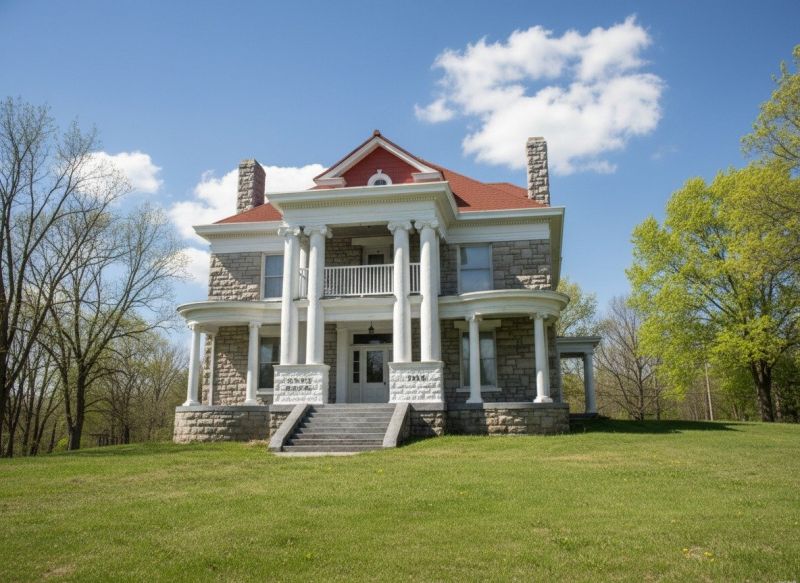
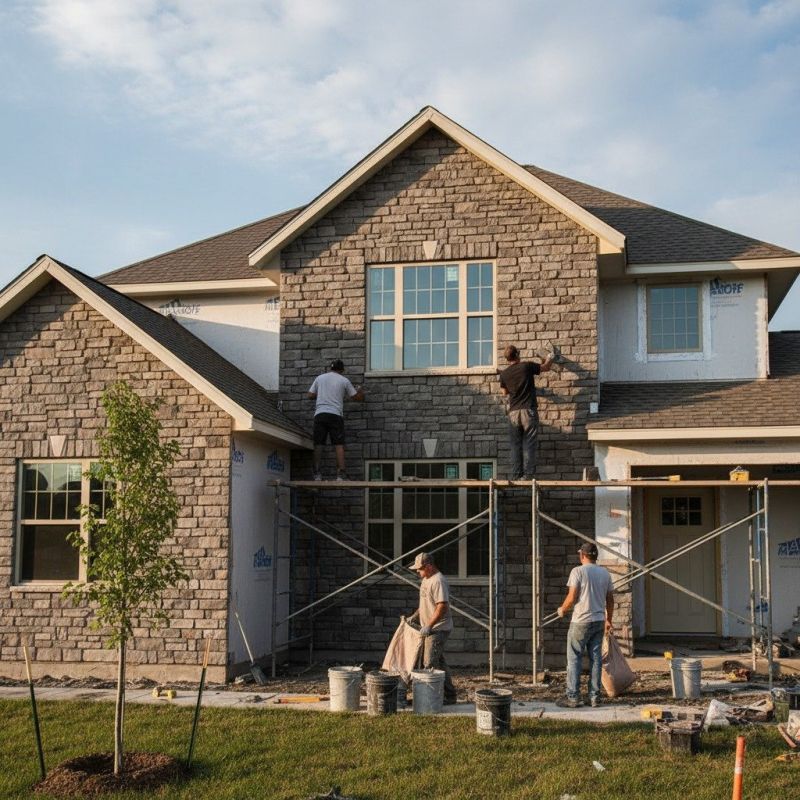
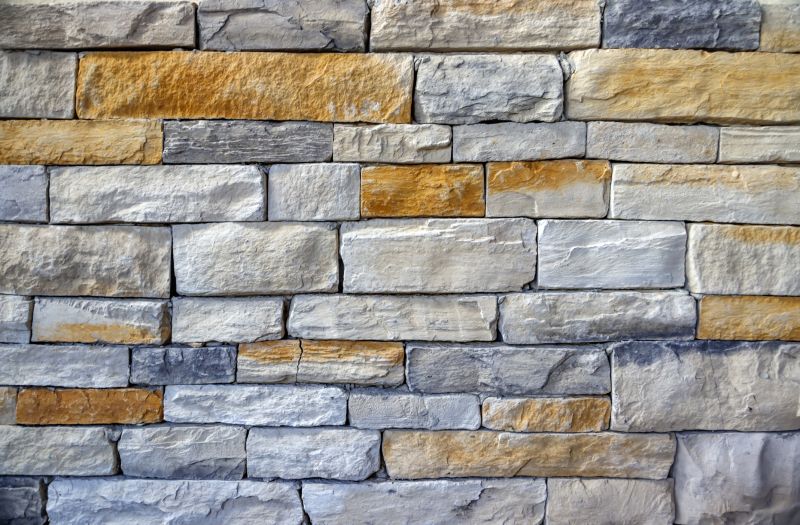
When homeowners search for information about stone masonry versus brick masonry, they are often trying to understand the fundamental differences between these two traditional building methods. This comparison typically arises when planning projects such as constructing new walls, fireplaces, facades, or outdoor features like patios and retaining walls. People want to know which material offers better durability, aesthetic appeal, or suitability for their specific property type. Understanding these distinctions helps homeowners make informed decisions about the materials that will best meet their project goals, whether they are enhancing curb appeal or ensuring long-term structural stability.
The choice between stone and brick masonry is closely related to the types of problems or plans homeowners have in mind. For example, those considering a rustic or natural look may lean toward stone masonry, which provides a more rugged, organic appearance. Conversely, brick masonry often appeals to those seeking a classic, uniform look with cleaner lines. These materials also differ in their performance in various climates and environmental conditions. For instance, stone masonry is often favored for its ability to withstand harsh weather, while brick masonry may be preferred for projects requiring precise, decorative finishes. Local service providers can help evaluate these factors and recommend the best approach based on the specific property and project needs.
The types of properties that typically feature stone or brick masonry include residential homes, historic buildings, commercial structures, and landscape features. Residential properties often incorporate brick for traditional facades or stone for outdoor walls and patios. Historic homes may showcase original stonework or brickwork, which can influence restoration choices. Commercial buildings sometimes use brick for its durability and aesthetic versatility, while outdoor features like fireplaces, garden walls, or walkways frequently utilize either material depending on the desired look and function. Understanding the property type helps homeowners recognize which material aligns with their project goals, and local contractors can assist in selecting and installing the right masonry to match the property's style and purpose.
Ultimately, the decision between stone masonry and brick masonry hinges on practical considerations, aesthetic preferences, and the specific demands of a project. Local masonry service providers can offer valuable insights into the strengths and limitations of each material, ensuring that homeowners choose the right option for their property and goals. Whether aiming for a natural, timeless appearance or a sleek, uniform finish, connecting with experienced local pros can help turn a vision into reality with the appropriate masonry approach.
Stone veneer installation - professionals skilled in stone masonry techniques can help with veneer projects that require precise placement and planning similar to brickwork.
Retaining wall construction - local contractors experienced in stone and brick work can assist with designing and building durable retaining structures.
Fireplace and chimney building - expertise in masonry allows for creating functional and aesthetic fireplaces using both stone and brick materials.
Outdoor patios and walkways - masonry specialists can craft durable surfaces that involve detailed planning and skill similar to stone and brick masonry.
Facade restoration and repair - restoring historic or damaged masonry surfaces requires knowledge of stone and brick techniques to match original craftsmanship.
Paving and boundary wall projects - local service providers can help with laying brick or stone for boundary walls and paved areas, requiring precise planning and skill.
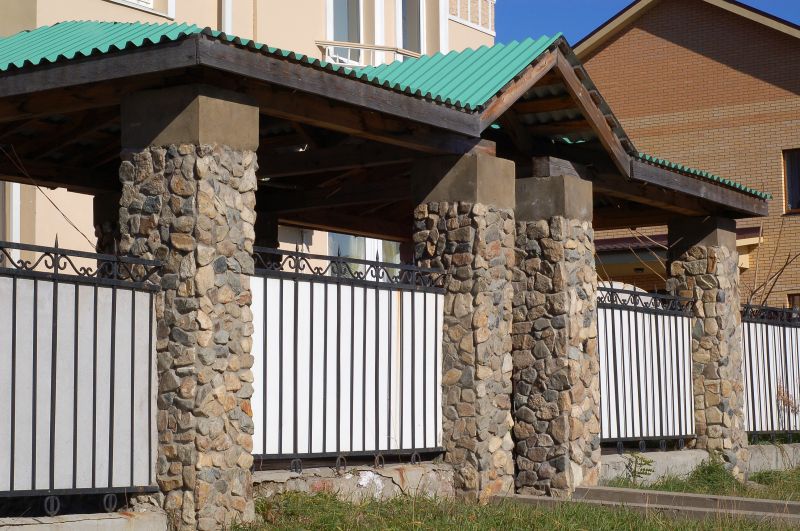
When comparing stone masonry and brick masonry, it’s important to evaluate the experience of local contractors with similar projects. Homeowners should seek service providers who have a proven track record in working with the specific materials and styles they are considering. For stone masonry services, look for professionals who have completed projects involving natural stone, retaining walls, or decorative stonework, as this indicates familiarity with the unique challenges and techniques required. Similarly, contractors experienced in brick masonry will have demonstrated expertise in building durable brick structures, whether for facades, fireplaces, or boundary walls. Verifying their experience through portfolio examples or references can provide confidence that they understand the nuances of each material and can deliver results that meet expectations.
Clear, written expectations are essential when choosing between stone and brick masonry, as these materials differ significantly in appearance, installation methods, and durability. Homeowners should request detailed project descriptions and scope of work from potential service providers to ensure all aspects are understood upfront. This helps prevent misunderstandings and ensures the contractor’s approach aligns with the homeowner’s vision. When considering stone masonry services, it’s especially important to clarify the types of stone used, the finishing techniques, and the maintenance involved, since natural stone often requires different care compared to brick. Well-documented expectations also serve as a reference throughout the project, aiding in communication and ensuring that the final outcome aligns with the agreed-upon plan.
Reputable references and strong communication are vital factors when evaluating local contractors for stone or brick masonry work. Homeowners should seek out service providers who can provide references from previous clients with similar projects, offering insights into the quality of work and professionalism. Good communication involves prompt, clear responses to questions and a willingness to discuss project details thoroughly. For stone masonry, this might include discussing the selection of stone types, sourcing, and installation techniques, while for brick masonry, it could involve clarifying mortar choices and construction methods. Contractors who prioritize transparent communication and have positive references are more likely to deliver a successful project, ensuring that both the homeowner’s needs and project specifications are understood and met throughout the process.
Property owners often search for stone masonry vs. brick masonry: key differences when they are planning practical projects around their homes and businesses. Local pros provide Stone Masonry services for everyday jobs and straightforward project options.
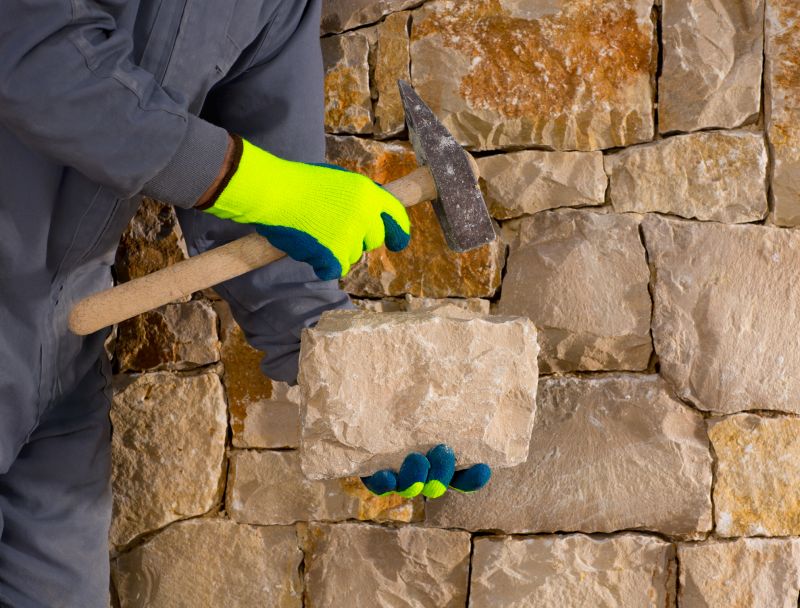
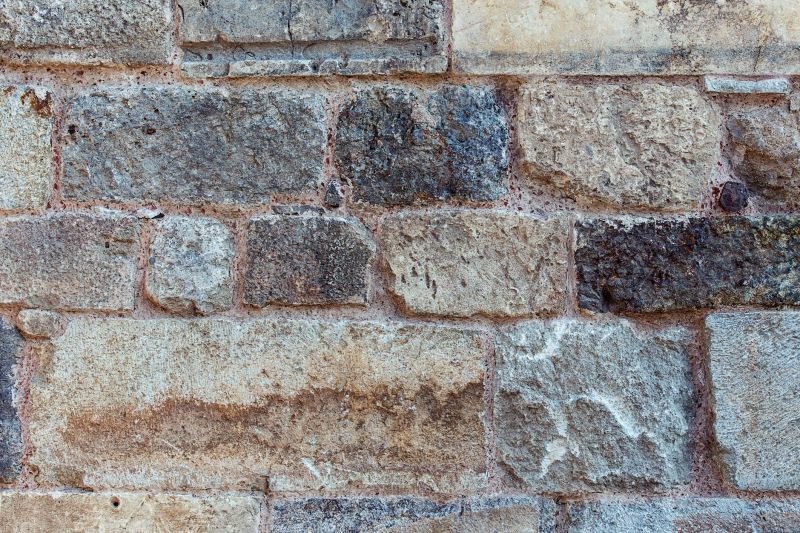
Understanding the differences between stone masonry and brick masonry can help property owners make informed decisions for various projects around the home. Stone masonry often appeals to those seeking a natural, timeless look, especially for features like retaining walls, fireplaces, or decorative facades. Brick masonry, on the other hand, is typically chosen for its uniform appearance and ease of installation, making it a popular choice for constructing durable walls and outdoor structures. When considering these options, property owners in the area often look up this topic to better understand which material aligns with their aesthetic preferences, budget, and project needs.
Local contractors who specialize in stone masonry services can provide valuable insights into the advantages and limitations of each material. They can help determine whether stone masonry’s durability and natural appearance suit the project or if brick masonry’s affordability and straightforward installation are better options. By exploring these key differences, property owners can connect with experienced service providers who can deliver quality craftsmanship tailored to their specific project requirements.
What is the main difference between stone masonry and brick masonry? The primary difference lies in the materials used; stone masonry uses natural stones, while brick masonry employs fired clay bricks, affecting appearance, durability, and construction techniques.
How does the durability of stone masonry compare to brick masonry? Stone masonry generally offers higher durability and resistance to weathering, making it suitable for long-lasting structures, whereas brick masonry may require more maintenance over time.
Are there different structural considerations when choosing between stone and brick masonry? Yes, stone masonry often requires specialized techniques due to the weight and irregular shape of stones, while brick masonry is typically more uniform and easier to work with for standard construction.
What aesthetic differences can be expected between stone and brick masonry? Stone masonry provides a natural, rustic appearance with varied textures and colors, whereas brick masonry offers a more uniform, classic look with consistent patterns and colors.
How can local masonry service providers assist with choosing between stone and brick masonry? Local contractors can evaluate the specific needs of a project, recommend suitable materials, and handle the installation of either stone or brick masonry to match the desired style and durability requirements.
Material Selection - Property owners can choose between stone and brick for features like patios or walls, considering durability and aesthetic appeal with the help of local contractors.
Design Flexibility - Deciding whether to incorporate stone or brick can influence the overall style of a property, and local pros can advise on design options that suit the project.
Structural Considerations - For load-bearing walls or retaining structures, understanding the differences in strength helps property owners plan with the guidance of local masonry specialists.
Maintenance Needs - Recognizing how stone and brick require different upkeep allows property owners to select the best material for long-term maintenance, with support from local service providers.
If you are thinking about stone masonry vs. brick masonry: key differences for a property, this guide is meant to help you understand this topic, the typical project types, and how different options might fit your plans.
When you are ready, you can use the quote form on this page to share a few details about your project. From there, local pros can review the basics and follow up with options that match what you have in mind.